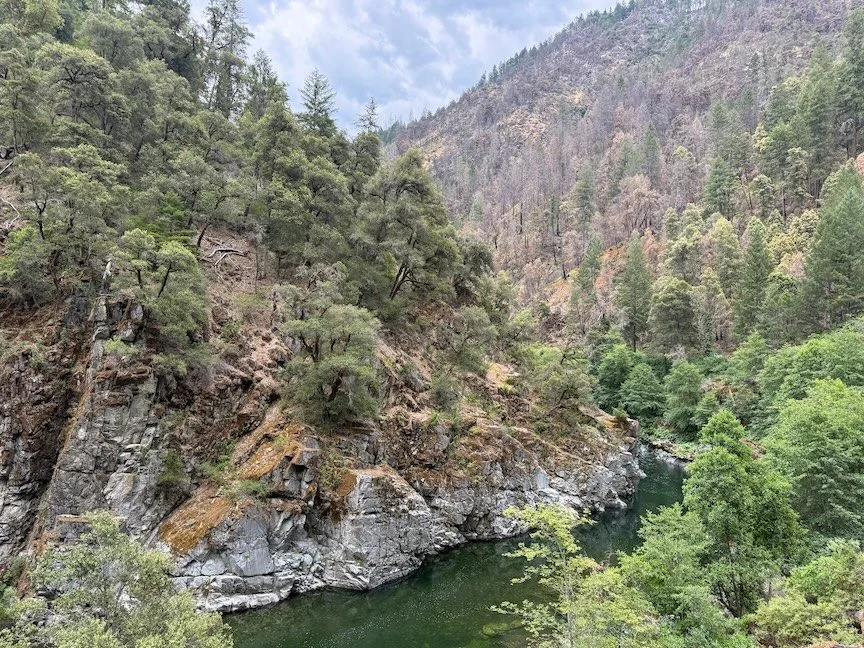
Forks of Salmon Konomihu
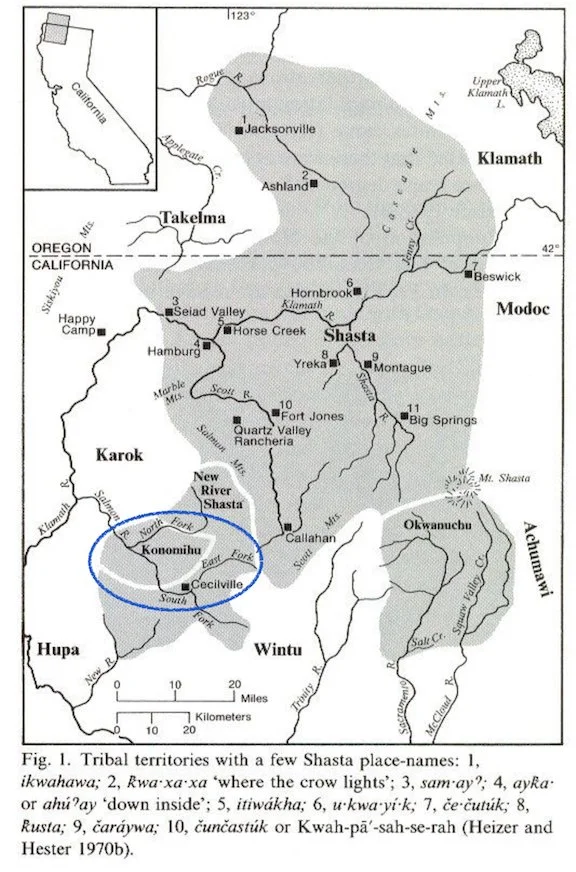
Shasta Konomihu ancestral homelands are located in the Salmon River watershed, bounded by the North and South Forks of the Salmon River. Our territory was historically recorded as extending 5 miles up the North Fork and 7 miles up the South Fork.
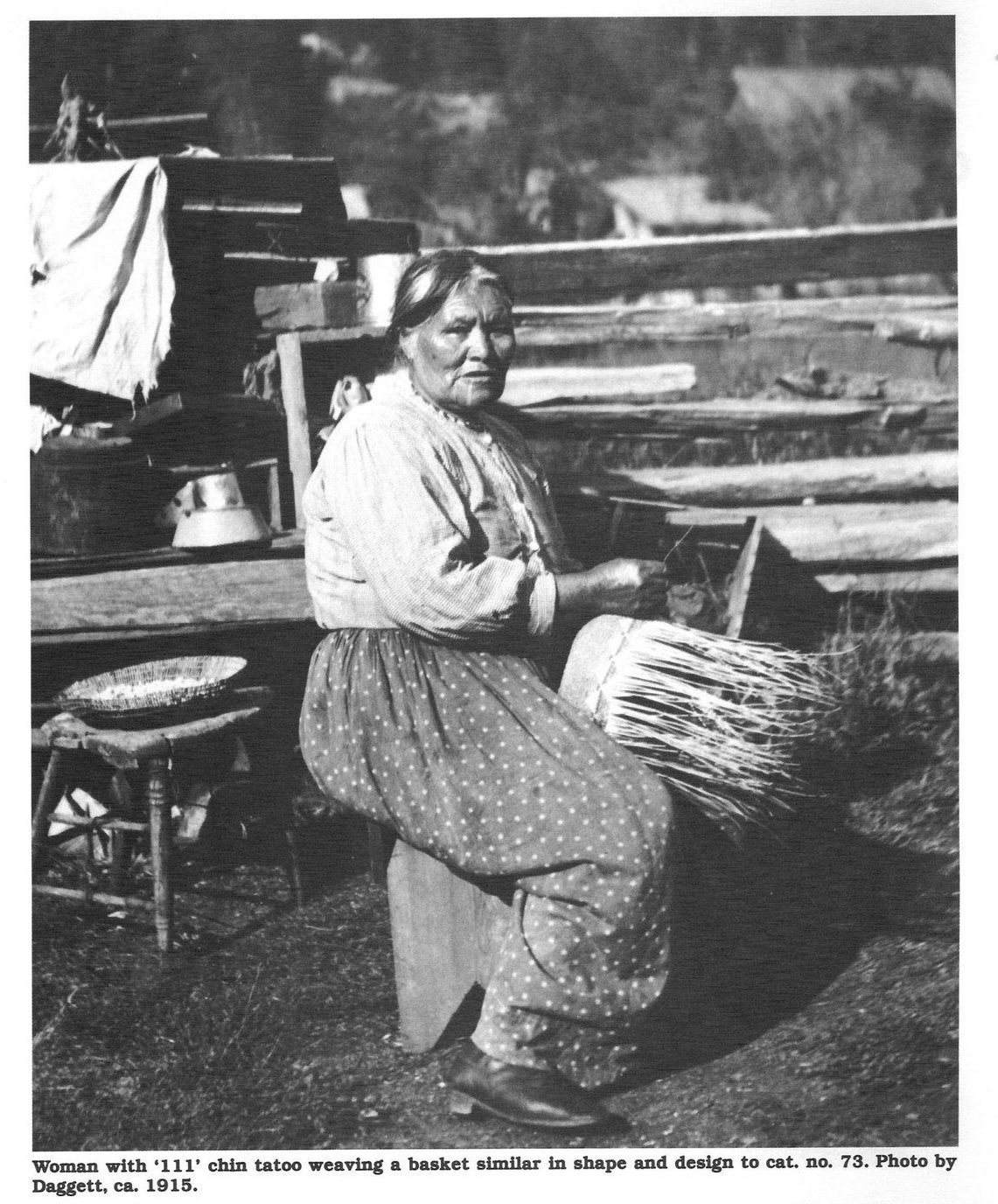
Our ancestors lived in this mountainous, forested area since time immemorial. The Konomihu were described by 19th and 20th century ethnographers as a small, distinct indigenous group with a dialect unique from the other Shastan languages. Our people were decimated by genocide during the California Gold Rush, and what remains of our language is contained in a handful of ethnographic reports. In 1925, Alfred L. Kroeber said that the Konomihu "melted away without a survivor."
He was wrong. We are still here. We have never stopped living on our ancestral lands. We continue to advocate for traditional stewardship of our lands and waters.
We are Shasta Konomihu elders and culture bearers who are deeply connected with our local community of around one hundred households in Forks of Salmon. Our Project Advisory Group includes artists, indigenous leaders, senior scientists, and practitioners. We have been fiercely advocating for the cultural and ecological protection and revitalization of our ancestral lands and waters (the Salmon River Watershed) since the 1980s. We are in active relationship with our community members through household visits, formal and informal meetings, and participating in community activities.
We are strongly committed to enacting our vision of cultural and ecological protection and revitalization of our ancestral lands (Forks of Salmon) and waters (Salmon River and its tributaries). We are known throughout our community for our dedication, persistence, and unswerving advocacy.
Recent examples of our advocacy for the inherent, unceded rights of the Shasta Konomihu for oversight of our ancestral lands and waters within the Salmon River Watershed can be seen in these letters submitted to the public record for the California Fish and Game Commission Tribal Committee for their April 14, 2026 and August 11, 2026 meetings.
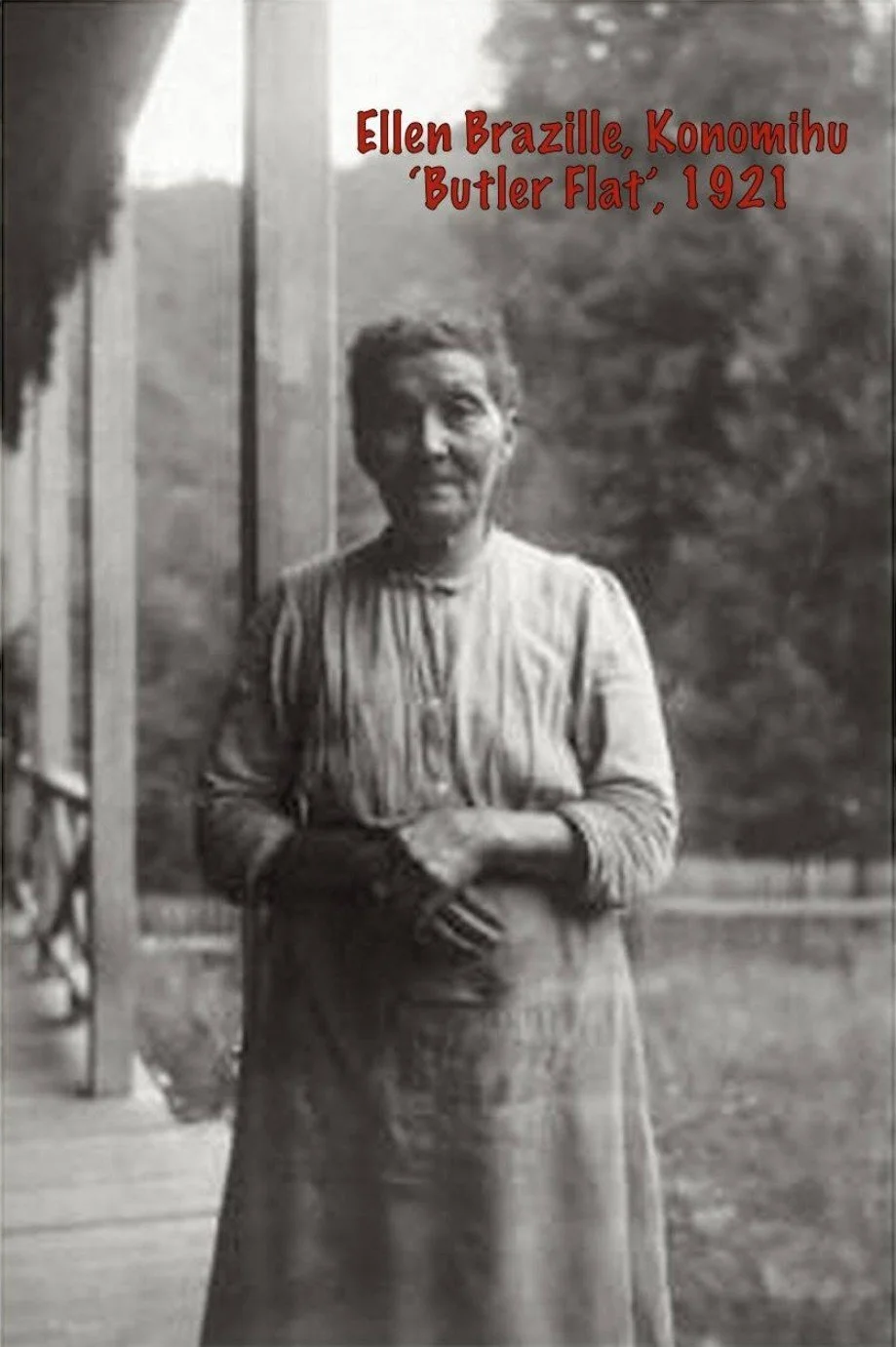
We honor our ancestral lineage as descendants of Queen (Ruffy) Brezille/Brazille (1833-1893, married to Francis Frank Brazille), the daughter of the last chief (Chief Mawima, born around 1806 near Forks of Salmon River) of the Shasta Konomihu and Queen Brezille's daughter, Ellen Brizell (Grant), who married Hugh Grant at Butler Flat on the Salmon River. You can listen to Ellen singing a Konomihu lullaby on this link. Ellen’s grandaughter Josephine continued to pass down invaluable cultural knowledge, including an extensive historical sourcebook of traditional California herbal medicine, "After the First Full Moon in April: A Sourcebook of Herbal Medicine from a California Indian Elder" by Josephine Peters and Beverly Ortiz Walnut Creek: Left Coast Press, 2010 (see this review of the book).